
More Than Just a Coating
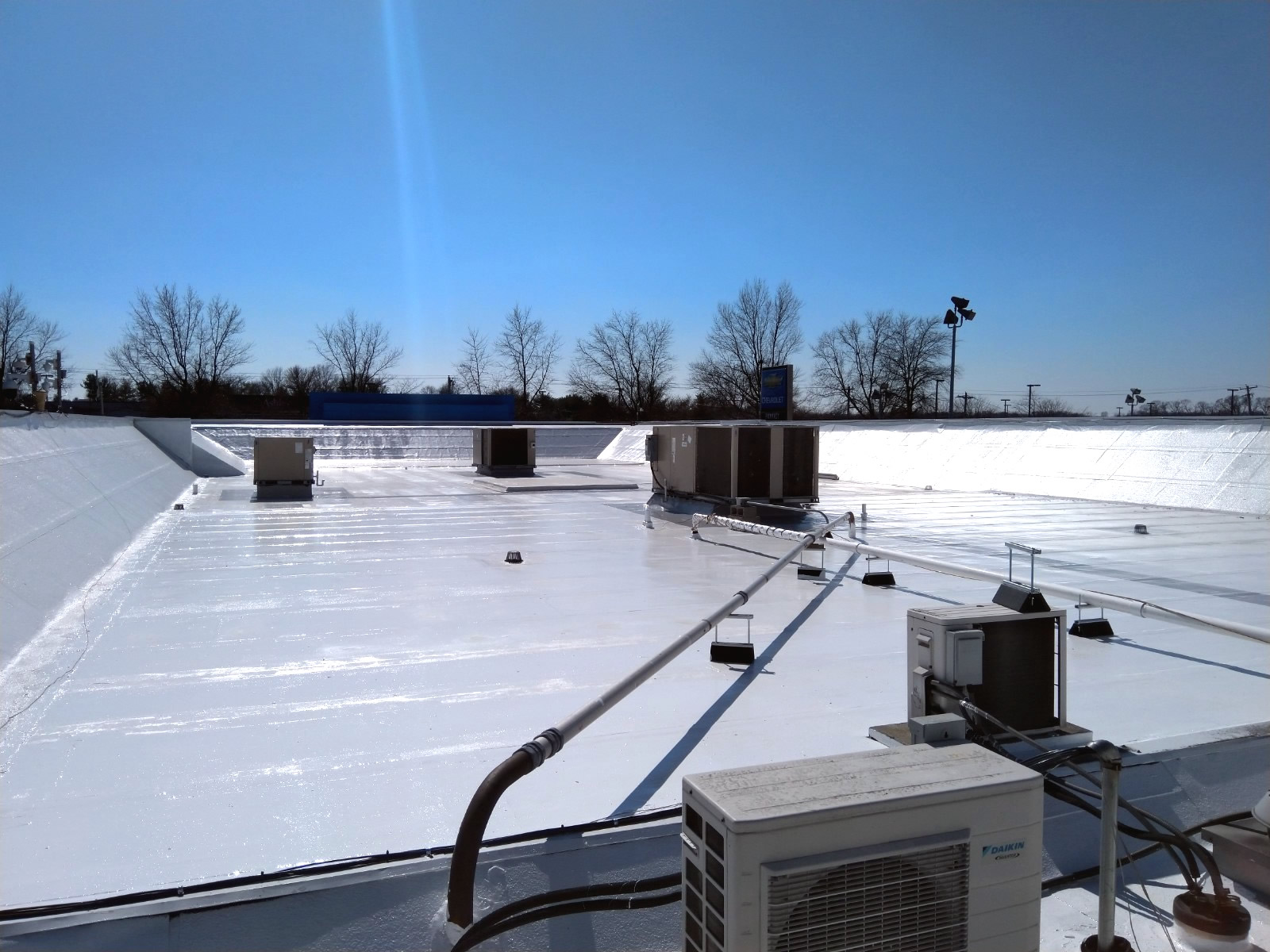
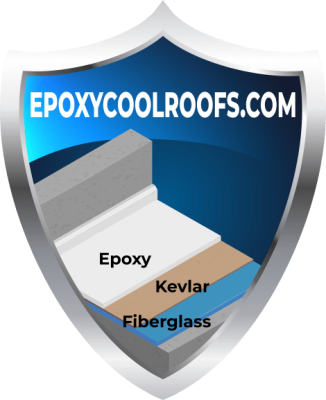
We offer a cutting-edge Epoxy, Kevlar & Fiberglass roof laminating system designed specifically for commercial properties. Our unique solution provides superior protection against weathering, leaks and wear and tear.
Eliminate Roof Tear-Offs
Our experience has shown that not every roof requires a full tear-off. In many cases, we can permanently preserve and manage your existing roof, reducing long-term costs by as much as 45% while improving performance.
Reduce Operating Expenses
By extending the lifespan of your roofing system, your company saves time and money on frequent, unplanned roof repairs. Improving the insulation and reflectivity of your roof helps to significantly reduce energy costs.
Engineered for high performance
Hydrophobic Waterproofing
Prevents leaks and moisture intrusion, protecting valuable assets inside your facility
Exceptional Durability
Extends the lifespan of your roofing system, saving you money on frequent repairs and replacements
Energy Efficiency
Improves insulation, metallic heat barrier and reflectivity help reduce energy costs year-round
Low Maintenance
Reduces maintenance requirements, freeing up your team to focus on other critical building needs
No tear-off
Not a coating — a full 45 to 50 mil laminated roof cap
A Message to Building Owners, Facility Managers and Commercial Property Professionals
We are excited to announce our latest innovation — a cutting-edge Epoxy/Kevlar/Fiberglass roofing upgrade, designed specifically for commercial properties. As building maintenance specialists, we understand the unique challenges faced by facility managers and building owners when it comes to maintaining roof integrity, reducing operational costs, and ensuring long-term durability.
Whether you manage a multi-tenant office building, oversee industrial properties, or own retail complexes, our epoxy upgrade is tailored to meet your specific roofing needs. Our team of experienced technicians will guide you through every step — from initial assessment to expert installation and ongoing support.
Please contact us with any questions, or to schedule a free inspection. Our assessment comes with drone-assisted photos and maps. We do a complete review of all parts of the roof and deliver a written report free of charge.
What We Offer
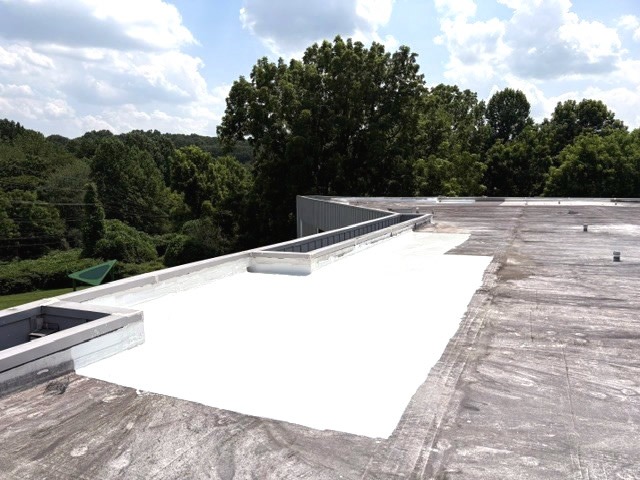
We receive many questions about roofs that had coatings applied 5–7 years ago and are now beginning to fail. In fact, approximately 20% of our current work involves correcting and repairing these systems. If you’re unsure if an existing coating can be repaired or if replacement is necessary, we can help with that determination.
Free roof inspections and detailed roof mapping
Identification of areas most likely to fail during winter
Targeted, permanent repairs to extend roof life
Infrared moisture detection and drone inspections
Impartial third-party inspection